Smoke detector sensitivity testing ensures your fire alarm system activates when it should. Learn NFPA testing requirements, schedules, and compliance tips.
Smoke detectors are designed to save lives—but only if they can still “sense” smoke accurately. Over time, dust, humidity, aging components, and environmental conditions can cause smoke detectors to become either too sensitive (leading to nuisance alarms) or not sensitive enough (causing dangerous detection delays).
That’s where smoke detector sensitivity testing comes in. The National Fire Protection Association (NFPA) sets clear standards on how often these tests must be performed and who should perform them. If you manage or own a commercial facility, understanding these requirements is essential for both safety and compliance.
Below is a clear, facility-friendly breakdown of what NFPA requires, how often testing should happen, and why this process is so critical to your fire protection strategy.
What Is Smoke Detector Sensitivity Testing?
Smoke detector sensitivity testing verifies that each smoke detector activates within its approved smoke obscuration range. In simple terms, it ensures the smoke detector still responds to smoke at the right point—not too early and not too late.
Over time, smoke detectors can become less accurate due to:
- Dust and debris buildup
- Corrosion from moisture
- Temperature fluctuations
- Aging electronic components
Sensitivity testing measures a smoke detector’s actual response using calibrated equipment or built-in electronic diagnostics to confirm it remains within NFPA-approved limits. This process is typically performed as part of a professional fire alarm inspection and maintenance program.
What NFPA Standard Governs Sensitivity Testing?
Commercial smoke detector sensitivity testing is regulated under NFPA 72: National Fire Alarm and Signaling Code. NFPA 72 establishes national standards for the inspection, testing, and maintenance of fire alarm systems.
NFPA 72 requires that:
- All smoke detectors should be tested for sensitivity after installation.
- Sensitivity should be verified at regular intervals throughout the life of the system.
- Any detector found outside its listed sensitivity range must be cleaned, recalibrated, or replaced.
These requirements apply across most commercial occupancies and are enforced during routine inspections and system audits.
How Often Does NFPA Require Smoke Detector Sensitivity Testing?
NFPA provides two approved compliance methods depending on system design.
Traditional Sensitivity Testing Schedule
For systems without automatic sensitivity monitoring:
- First test within 1 year after installation
- Ongoing testing every 2 years
- After two consecutive compliant tests, the interval may extend to every 5 years
This schedule ensures early contamination or aging does not silently compromise detection performance.
Automatic Sensitivity Monitoring Systems
Many modern fire alarm panels continuously electronically track smoke detector sensitivity. When this feature is documented correctly:
- Physical sensitivity testing may not be required.
- The system must log sensitivity values at the control panel.
- Any smoke detector that drifts outside its approved range still requires physical service.
Even with automated monitoring, annual professional inspection and documentation remain mandatory. Many facilities pair automated monitoring with 24/7 central-station support through professional fire monitoring services to ensure that alarms and faults are transmitted immediately.
What Happens If a Smoke Detector Fails Sensitivity Testing?
If a smoke detector falls outside its approved sensitivity range, NFPA requires immediate corrective action, which may include:
- Professional cleaning
- Manufacturer-approved recalibration
- Full smoke detector replacement
A smoke detector that is too insensitive may delay alarm activation, while an oversensitive unit increases nuisance alarms that can undermine occupant response and daily operations. Both outcomes increase liability exposure and the risk of system failure.
Why Smoke Detector Sensitivity Testing Is So Important
Sensitivity testing directly impacts how quickly occupants are alerted during a fire. Missed or delayed detection can allow smoke and fire to spread unchecked during the most critical early minutes of an emergency.
Facilities that stay current on smoke detector sensitivity testing benefit from:
- Faster and more reliable detection
- Fewer false alarms and system faults
- Stronger inspection and compliance performance
- Improved legal and insurance protection
When calibrated smoke detectors are paired with a professional fire monitoring service, alarm signals are verified and transmitted immediately for emergency response.
Who Is Qualified to Perform Sensitivity Testing?
NFPA requires sensitivity testing to be performed by trained and certified fire alarm professionals using:
- Manufacturer-approved test methods

- Calibrated sensitivity testing tools
- System-specific service procedures
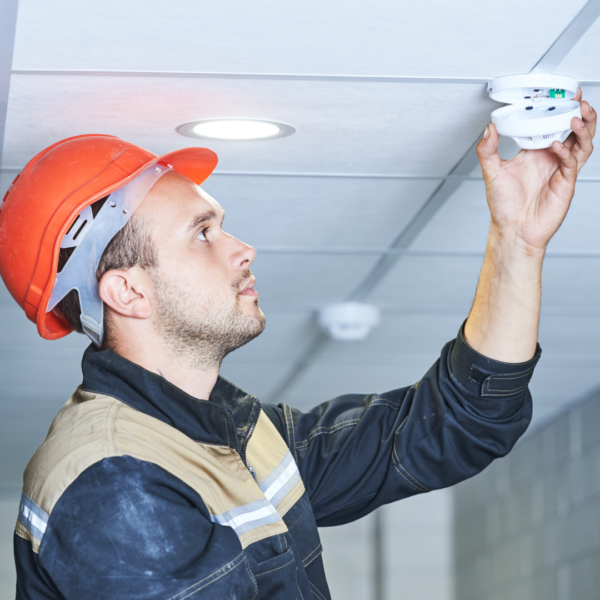
Maintenance staff should not perform this testing without proper fire alarm certification. Improper testing can damage smoke detectors or create invalid inspection records that fail during audits.
Sensitivity Testing Is Only One Part of a Healthy Fire Alarm System
Smoke detector sensitivity testing works best when it is included in a complete fire alarm maintenance program that also includes:
- Annual fire alarm inspections
- Power supply and battery testing
- Device cleaning and verification
- Control panel diagnostics
- Signal transmission verification to your fire monitoring system
Together, these steps ensure your fire alarm system performs correctly under real emergency conditions—not just during inspections.
The Bottom Line on Smoke Detector Sensitivity Testing
NFPA does not treat smoke detector sensitivity testing as optional—and neither should facility managers. Whether your system uses physical testing or automated sensitivity monitoring, documented verification is required for both code compliance and life safety.
Staying current on testing intervals:
- Protects building occupants
- Reduces nuisance alarms
- Improves long-term system reliability
- Prevents inspection failures and emergency violations
If you’re unsure when your last sensitivity test occurred—or whether your system qualifies for electronic monitoring—professional review is the safest way forward.
Ready to Verify Your Smoke Detector Sensitivity?
Proactive testing now ensures dependable detection when it matters most. A professional inspection can confirm smoke detector accuracy, document system compliance, and correct minor issues before they lead to costly ones. Contact us today to schedule your inspection.