Learn when fire sprinkler system retrofitting is required, why older systems may need upgrades, and how NFPA codes and building changes can trigger compliance updates.
Fire sprinkler systems are designed to protect lives and property, but older systems may not meet modern building standards or fire protection requirements. Over time, changes in building codes, facility use, and system performance can make fire sprinkler system retrofitting necessary.
In many cases, retrofitting is not just recommended; it is required. It may be required to maintain code compliance, support renovations, or improve the reliability of aging fire protection infrastructure.
Understanding when retrofits are necessary and what triggers them can help property owners avoid violations, safety risks, and unexpected downtime.
What Is Fire Sprinkler System Retrofitting?
Fire sprinkler system retrofitting involves upgrading or modifying an existing sprinkler system to improve performance, meet updated fire codes, or support changes within a building.
Rather than replacing the entire system, retrofitting often focuses on specific improvements such as:
- Replacing outdated sprinkler heads
- Updating piping or valves
- Expanding coverage to newly occupied areas
- Installing modern monitoring components
- Adjusting system design to meet updated standards
These upgrades help ensure that older systems continue to perform as intended during a fire emergency.
Why Older Fire Sprinkler Systems Often Need Retrofitting
Many commercial buildings still operate with systems installed decades ago. While these systems may have met code at the time of installation, they may not meet today’s fire protection requirements.
Common reasons buildings require fire sprinkler system retrofitting include:
Aging Components
Sprinkler systems contain mechanical parts that deteriorate over time. Corrosion, mineral buildup, and worn valves can affect system reliability.
According to the National Fire Protection Association (NFPA), sprinklers should be inspected regularly, and certain components may need to be replaced after a specified number of years.
Outdated System Design
Older systems were often designed for different building layouts or occupancy types. Changes in how a space is used may require updated coverage, additional heads, or modified system layouts.
Increased Fire Risk
Modern facilities often contain higher fuel loads due to electronics, storage density, or new materials. Older sprinkler systems may not provide adequate protection for these increased hazards.
Code Triggers That Can Force Fire Sprinkler System Retrofitting
In many situations, retrofitting is not optional. Specific building changes or regulatory requirements can trigger upgrades.
Major Building Renovations
Large renovations often require updates to fire protection systems to meet current code requirements.
If walls are moved, new floors are added, or occupancy changes, the existing sprinkler system may no longer provide adequate coverage.
Change of Building Occupancy
If a building’s use changes, its fire protection requirements may change as well.
For example:
- Office space converted to storage
- Retail space converted to restaurant use
- Warehouses converted to high-density storage
These changes can require system modifications to meet updated hazard classifications.
Building Code Updates
Local building codes and fire codes are often based on NFPA standards, such as:
- NFPA 13 – Standard for the Installation of Sprinkler Systems
- NFPA 25 – Standard for the Inspection, Testing, and Maintenance of Water-Based Fire Protection Systems
When codes are updated, certain upgrades may be required during renovations or system replacements.
Failed Inspections or System Deficiencies
Routine inspections may uncover issues that require corrective action.
Examples include:
- Corroded piping
- Obstructed sprinkler heads
- Inadequate water supply
- Improper spacing or coverage
When deficiencies are significant, retrofitting portions of the system may be required to restore compliance.
Signs Your System May Need Retrofitting
Even if retrofitting is not immediately required by code, certain warning signs may indicate that upgrades are necessary.
Look for the following indicators:
- Frequent inspection failures
- Visible corrosion or leaks in piping
- Outdated sprinkler head models
- Inadequate system coverage after renovations
- Difficulty obtaining replacement parts
Addressing these issues early can help prevent larger system failures later.
Benefits of Fire Sprinkler System Retrofitting
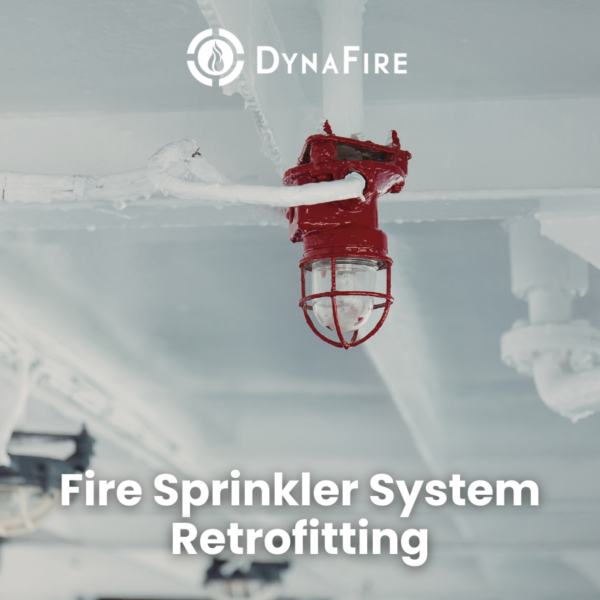
Upgrading an older system provides more than just compliance. It can improve overall safety and system performance.
Key benefits include:
Improved Fire Protection
Modern sprinkler systems are designed with updated engineering standards that improve fire control and response times.
Better Code Compliance
Retrofitting helps ensure your facility meets current building codes and NFPA standards, reducing the risk of violations or penalties.
Reduced Long-Term Maintenance
Replacing aging components often reduces the need for frequent repairs and emergency service calls.
Support for Future Building Changes
A retrofitted system can better accommodate future renovations, expansions, or changes in occupancy.
Work With Experienced Fire Protection Professionals
Determining whether your building requires fire sprinkler system retrofitting often starts with a professional inspection and system evaluation. Experienced technicians can identify deficiencies, review applicable code requirements, and recommend the most practical path forward.
At DynaFire, our team helps commercial property owners evaluate existing fire sprinkler systems and implement upgrades that improve reliability, safety, and compliance.
Keep Your Fire Protection System Ready
Older fire protection systems should never be overlooked. Regular inspections and proactive upgrades help ensure your sprinkler system performs when it matters most.
If your facility may require fire sprinkler system retrofitting, the right evaluation today can prevent major safety risks and compliance issues tomorrow. Contact us today to schedule an inspection and discuss upgrading your fire protection system.