Do fire sprinklers freeze in winter? Learn about the cold-weather risks to commercial buildings and how to protect fire sprinkler systems from freeze damage.
Fire sprinkler systems are designed to protect lives and property—but in cold weather, they can also become vulnerable themselves. A common question facility managers ask is, “Do fire sprinklers freeze?” The short answer is yes—and when they do, the consequences can be costly, disruptive, and dangerous.
In commercial buildings across the U.S., even brief exposure to freezing temperatures can compromise sprinkler piping, disable fire protection, and cause significant water damage once pipes thaw. Understanding how and why sprinkler systems freeze is essential for maintaining code compliance and operational continuity during the winter months.
How Fire Sprinkler Systems React to Cold Temperatures
Most commercial fire sprinkler systems rely on water-filled piping that remains pressurized at all times. When temperatures drop below 32°F, any water trapped in exposed or poorly protected pipes can freeze.
While many facilities assume that a heated building eliminates this risk, sprinkler piping often runs through areas that are not consistently climate-controlled, including:
- Attics and ceiling voids
- Exterior walls
- Loading docks and shipping areas
- Parking garages and stairwells
- Mechanical rooms and pipe chases
Once ice forms, it restricts water flow and expands inside the pipe, creating internal pressure that can crack piping, fittings, or sprinkler heads. Maintaining code requirements is especially important for high-piled storage and warehouses due to the flammable materials they house.
Where Commercial Sprinkler Systems Are Most Likely to Freeze
Certain building conditions and operational realities increase the risk of freezing, regardless of geographic region.
Unheated or intermittently heated spaces – Warehouses, manufacturing plants, cold storage facilities, and logistics centers often have large areas that are minimally heated—or not heated at all.
Exterior wall and perimeter piping – Sprinkler lines installed along building perimeters are especially vulnerable if insulation is inadequate or air leaks allow cold air infiltration.
System design limitations – Older systems may lack proper drainage, slope, or freeze protection features, allowing water to collect in low points where it can freeze quickly.
Extended or unexpected cold events – Even facilities in typically mild climates can experience freeze damage during sudden cold snaps, power outages, or HVAC failures.
What Happens When Fire Sprinklers Freeze
Freeze-related failures typically follow a predictable sequence:
Ice formation restricts water flow – The system may appear operational, but water delivery is compromised, reducing its ability to suppress a fire.
Internal pipe damage occurs – As ice expands, pipes and fittings crack from the inside, often in concealed locations.
Thawing leads to water damage – When temperatures rise, damaged pipes release water into the building, flooding ceilings, walls, inventory, or equipment.
System shutdown and repair – Restoring service requires professional fire sprinkler pipe repair, pressure testing, and approval from the local authority having jurisdiction before the system can be returned to service.
Industries Most at Risk During Cold Weather
Freeze-related sprinkler damage is especially common in commercial environments with large footprints, varied temperature zones, or specialized operations. DynaFire frequently supports freeze protection planning for facilities in industries such as:
- Warehousing and distribution
- Manufacturing and industrial facilities
- Healthcare and medical buildings
- Hospitality and multi-occupancy properties
- Retail and big-box environments
- Data centers and mission-critical facilities
Each of these settings presents unique challenges that require tailored sprinkler design, monitoring, and maintenance strategies.
How Commercial Buildings Can Prevent Sprinkler Freeze Damage
Preventing freeze damage requires more than reacting to cold weather alerts. The most effective strategies focus on protecting vulnerable system components, maintaining stable conditions in critical areas, and addressing risks before temperatures drop below freezing.
Maintain consistent heat in vulnerable areas – Critical spaces such as valve rooms, pump rooms, and loading areas should remain above 40°F whenever possible.
Insulate and seal exposed piping – Proper insulation and air sealing around pipe penetrations reduces cold air intrusion that can freeze nearby lines.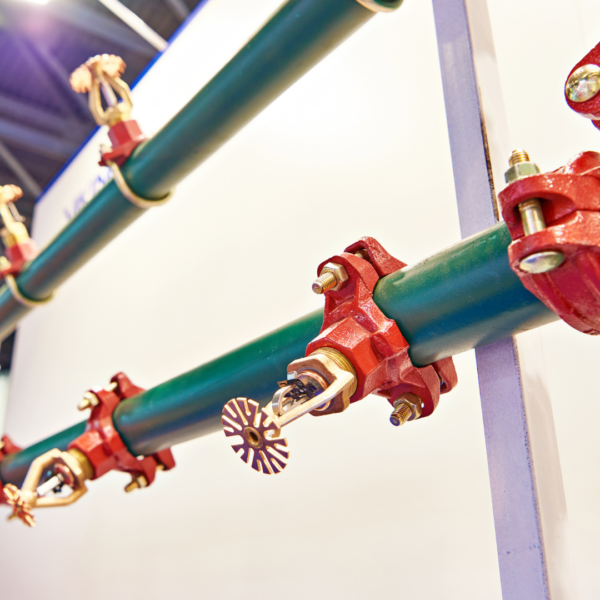
Install heat tracing where needed – Electric heat trace systems provide direct freeze protection for pipes in high-risk locations and activate automatically as temperatures drop.
Use dry or pre-action systems in unheated spaces – In areas where maintaining heat is impractical, dry-pipe or pre-action systems prevent standing water until activation is required.
Monitor conditions proactively – Temperature sensors and system monitoring help detect freeze risks early—before damage occurs.
Warning Signs Your Sprinkler System Is at Risk
Facility teams should watch for indicators that freezing conditions may be affecting the system:
- Low-temperature alarms in sprinkler or pump rooms
- Unexpected changes in system pressure
- Ice visible on exposed piping
- Repeat freeze issues in the same locations year over year
Routine fire protection system inspections are critical for identifying these risks before winter weather escalates them into emergencies.
What to Do If a Sprinkler Pipe Freezes
If freezing is suspected:
- Do not use open flames to thaw pipes
- Apply controlled, indirect heat where safe to do so
- Contact a qualified fire protection contractor immediately
- Document damage for compliance and insurance purposes
Frozen systems should never be returned to service without proper inspection, repair, and testing.
Why Freeze Protection Is a Business Continuity Issue
A frozen sprinkler system is more than a maintenance problem—it’s an operational and compliance risk. Buildings with impaired fire protection may face:
- Failed inspections and code violations
- Insurance exposure or coverage limitations
- Temporary occupancy restrictions
- Significant downtime from water damage and repairs
Preventive planning costs far less than emergency restoration after a freeze event.
Preparing Your Fire Sprinkler System for Winter
Cold weather readiness should be part of your annual fire protection strategy. Fall is the ideal time to evaluate system vulnerabilities, confirm freeze protection measures, and address design or maintenance gaps before temperatures drop.
Professional testing, inspections, and system upgrades help ensure your fire sprinkler system remains reliable—no matter where your facility is located or how cold it gets.
If you are evaluating whether your system is adequately protected against freezing temperatures, DynaFire can help. Our team supports commercial facilities nationwide with sprinkler inspections, maintenance, repairs, and system design tailored to real-world operating conditions.
Concerned about cold weather risks or wondering “do fire sprinklers freeze” in commercial buildings? Contact us today to schedule a freeze-risk assessment and protect your people, property, and operations throughout the winter season.