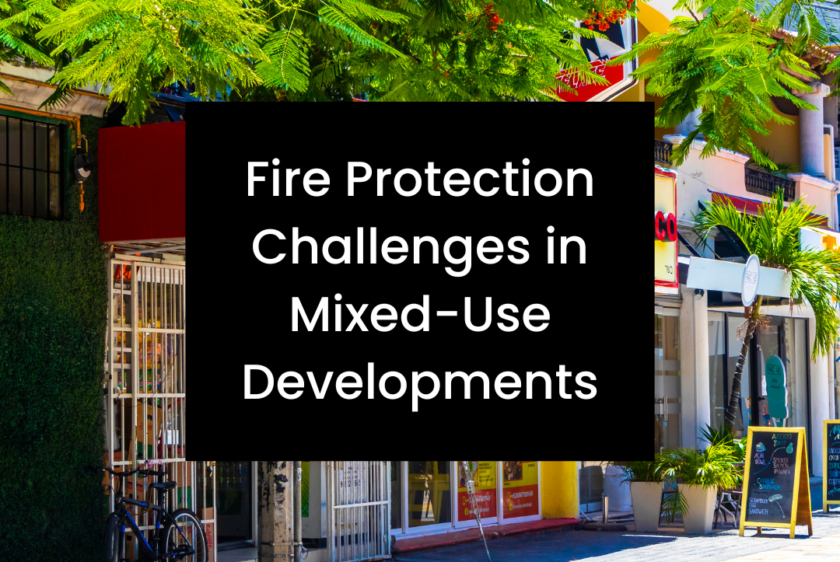
Fire protection for mixed-use buildings requires coordinated systems, proper zoning, and code compliance. Learn the key challenges and solutions for these developments.
Mixed-use developments have become increasingly common in growing cities. These properties combine multiple occupancies, such as residential units, retail stores, offices, restaurants, and entertainment spaces, within a single structure or a connected complex.
While this design improves walkability and land use, it also creates unique safety challenges. Fire protection for mixed-use buildings must address the different risks, building layouts, and code requirements associated with each type of occupancy.
Designing effective fire protection in these environments requires careful coordination between fire alarm systems, fire sprinkler systems, building management teams, and local fire authorities.
What Is a Mixed-Use Building?
A mixed-use building is a structure that houses multiple occupancy types within the same development.
Common examples include:
- Residential apartments above retail spaces
- Office space combined with restaurants and shops
- Hotels connected to conference centers and entertainment venues
- Large developments that combine residential, retail, parking structures, and office towers
Each of these occupancies presents different fire risks, so the fire protection strategy must account for multiple hazard levels within the same property.
The Biggest Fire Protection Challenges in Mixed-Use Developments
Multiple Occupancy Types
One of the most significant challenges in fire protection for mixed-use buildings is accommodating different occupancy classifications.
For example:
- Residential areas require occupant notification and evacuation planning.
- Restaurants and commercial kitchens often require specialized fire suppression systems.
- Retail spaces may involve high storage loads or flammable materials.
- Office areas require coverage for large open floor plans and equipment.
Each space may fall under different sections of building and fire codes, which must be considered during system design.
Complex Building Layouts
Mixed-use properties often include multiple floors, shared corridors, underground parking, and interconnected spaces.
These layouts can complicate:
- Fire alarm system zoning
- Sprinkler system coverage
- Smoke control strategies
- Emergency evacuation routes
Fire protection systems must be carefully designed to ensure proper coverage and communication throughout the building.
Separate Tenant Responsibilities
Mixed-use developments typically include multiple tenants operating independently within the same structure.
This can create challenges related to:
- Fire system maintenance responsibilities
- System modifications during tenant build-outs
- Inspection scheduling across multiple units
- Communication between property management and tenants
Without proper coordination, these factors can lead to compliance issues or gaps in fire protection coverage.
Kitchen and High-Hazard Areas
Restaurants, cafes, and food service businesses are common in mixed-use buildings, especially on ground floors.
Commercial kitchens require specialized protection, including:
- Kitchen hood suppression systems
- Fire-rated separation from other occupancies
- Enhanced inspection and maintenance procedures
These high-risk areas must be integrated with the building’s broader fire protection strategy.
Shared Infrastructure and Utilities
Mixed-use buildings often share critical infrastructure, such as:
- Water supply for fire sprinkler systems
- Fire alarm monitoring systems
- Fire pumps and standpipes
- Electrical systems
Designing fire protection for mixed-use buildings requires ensuring that shared infrastructure can support the entire building without creating vulnerabilities between occupancies.
Code Compliance Considerations
National standards and local building codes often govern fire protection requirements for mixed-use buildings.
Key guidance may come from standards such as:
- NFPA 13 – Installation of sprinkler systems
- NFPA 72 – National Fire Alarm and Signaling Code
- NFPA 101 – Life Safety Code
These standards help determine requirements for:
- Occupancy separation
- Alarm notification strategies
- Sprinkler system design
- Emergency egress and evacuation planning
Local building officials typically review fire protection plans to ensure compliance before construction or major renovations begin.
Design Strategies for Effective Fire Protection
Addressing the challenges of mixed-use developments requires a coordinated design approach.
Effective fire protection strategies often include:
Zoning Fire Alarm Systems
Dividing the building into alarm zones enables emergency responders to quickly identify the source of an alarm and respond more efficiently.
Occupancy Separation
Fire-rated walls, floors, and barriers help contain fire hazards within specific sections of the building.
Dedicated Suppression Systems
Specialized suppression systems may be installed for areas such as commercial kitchens, storage rooms, or mechanical spaces.
Centralized Monitoring
Many mixed-use developments rely on centralized fire alarm monitoring to maintain continuous oversight of system status across all areas. You can read more information on emergency responder radio coverage requirements here.
Planning Ahead for Long-Term Safety
Mixed-use buildings are designed for flexibility. Tenants may change over time, spaces may be renovated, and occupancy types may shift.
Because of this, fire protection for mixed-use buildings must be designed with long-term adaptability in mind. Systems should allow for future modifications while maintaining full code compliance and safety coverage.
Regular inspections, maintenance, system testing, and mid-year fire system audits are also critical to ensuring these complex systems continue to perform as intended.
Partnering With the Right Fire Protection Experts
Successful fire protection in mixed-use developments depends on thoughtful system design and ongoing professional support. From initial construction to tenant build-outs and system upgrades, experienced fire protection providers help ensure that safety systems remain reliable and compliant.
DynaFire works with developers, property managers, and contractors to design and maintain fire protection systems that meet the demands of modern mixed-use properties.
Protecting Complex Developments Requires Smart Planning
Mixed-use buildings offer many benefits for communities, but they also require careful attention to Fire & Life Safety systems. Addressing the unique risks associated with different occupancies is essential for protecting residents, businesses, and visitors.
With the right planning and professional guidance, fire protection for mixed-use buildings can provide dependable protection throughout the property. Contact us today to get started.