Learn the recommended fire pump testing frequency under NFPA standards, including weekly, monthly, and annual requirements to keep fire protection systems reliable and compliant.
Fire pumps play a critical role in commercial fire protection systems. When water pressure from a municipal supply is insufficient to support fire sprinkler systems or standpipes, a fire pump boosts pressure so water can reach all areas of a building during an emergency.
Because these systems must work instantly when a fire occurs, routine testing is essential. Understanding the correct fire pump testing frequency helps ensure the equipment operates reliably and remains compliant with national fire protection standards.
NFPA Standards for Fire Pump Testing
Fire pump testing is primarily governed by NFPA 25, the Standard for the Inspection, Testing, and Maintenance of Water-Based Fire Protection Systems.
This standard outlines specific testing intervals to verify that fire pumps and their components function properly. These requirements apply to many types of facilities, including:
- Commercial buildings
- Warehouses
- Healthcare facilities
- Industrial properties
- High-rise buildings
Following the correct fire pump testing frequency helps building owners maintain compliance while protecting occupants and property.
Weekly Fire Pump Testing
Many fire pumps must be tested once per week to verify that the system starts and runs properly.
During a weekly test, technicians typically:
- Start the fire pump automatically or manually
- Allow it to run for a short period of time
- Monitor pressure readings and performance
- Check for abnormal vibrations or sounds
Electric fire pumps often run for at least 10 minutes during weekly testing. This test ensures the pump will start immediately when needed.
Monthly Fire Pump Testing
Some diesel-driven fire pumps may follow a monthly testing schedule depending on system configuration and local requirements.
These tests are typically longer than weekly tests and involve:
- Running the diesel engine for an extended period
- Verifying fuel supply and battery condition
- Checking cooling systems and exhaust components
Because diesel pumps rely on internal combustion engines, regular testing ensures the engine remains ready for emergency operation.
Annual Fire Pump Performance Testing
In addition to routine tests, annual performance testing is required to verify that the pump can deliver the water flow and pressure it was designed to produce.
During an annual test, technicians measure system performance at several points:
- 100 percent rated capacity
- 150 percent of rated capacity
- Churn pressure (no-flow condition)
These tests evaluate whether the pump meets its original design specifications. If performance falls outside acceptable ranges, fire pump repairs or adjustments may be required.
Annual testing is one of the most important aspects of maintaining proper fire pump testing frequency.
What Happens During a Fire Pump Flow Test?
A fire pump flow test is designed to simulate real operating conditions.
During the test, technicians may:
- Open test headers or discharge valves
- Measure water flow and pressure
- Evaluate pump efficiency and stability
- Inspect gauges, valves, and controls
These tests require careful monitoring and specialized equipment to accurately measure system performance.
Additional Inspection and Maintenance Requirements
Testing alone is not enough to keep fire pumps functioning properly. NFPA guidelines also require regular inspections and maintenance procedures. See details about the recommended fire pump preventive maintenance schedule.
These may include: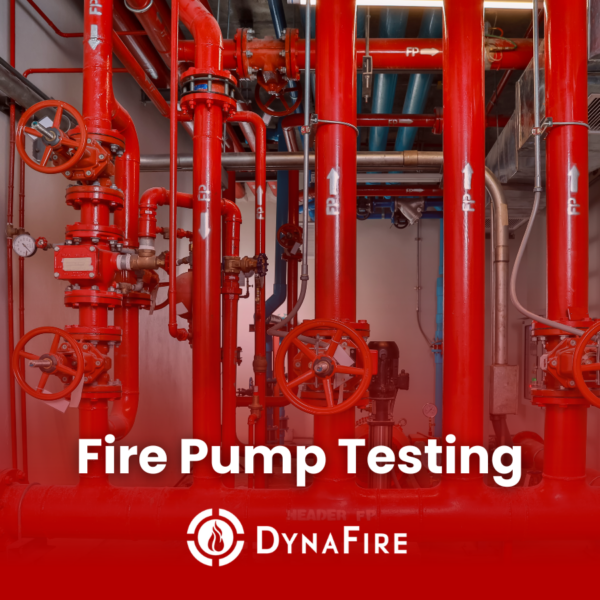
- Checking pump controllers
- Inspecting pressure relief valves
- Verifying electrical connections
- Monitoring fuel levels for diesel pumps
- Ensuring pump rooms remain accessible and climate-controlled
Maintaining proper fire pump testing frequency, along with routine inspections, helps identify small problems before they lead to system failure.
Consequences of Skipping Fire Pump Testing
Failing to follow recommended fire pump testing schedules can lead to serious safety and compliance issues.
Potential risks include:
- Pump failure during an emergency
- Failed fire safety inspections
- Insurance complications
- Increased property damage during a fire
Regular testing helps ensure the entire fire protection system performs as designed when it is needed most.
Working With Fire Protection Professionals
Because fire pump systems are complex, fire pump installation and testing should be performed by trained technicians familiar with NFPA standards and system requirements. Professionals can properly document testing results, identify potential deficiencies, and recommend corrective actions if needed.
Maintaining accurate records of inspections and testing is also important for compliance and insurance documentation.
Stay Compliant With Proper Fire Pump Testing
Following the correct fire pump testing frequency helps ensure your fire protection system remains dependable and ready to perform in an emergency. DynaFire handles routine testing, inspections, and performance evaluations essential to protecting your building, occupants, and operations.
Contact us today to schedule service and keep your fire protection systems operating at peak performance.