Stay warm safely this winter — learn essential space heater safety tips for offices and commercial buildings to prevent fires, overheating, and equipment damage.
When winter temps drop, space heaters quickly become the go-to comfort solution in offices. But while they offer quick warmth, they’re also one of the leading causes of seasonal workplace fires when misused. This guide shares practical, easy-to-follow space heater safety tips to help your team stay warm without putting your building, staff, or operations at risk.
Why Space Heaters Are a Fire Risk in Offices
Space heaters produce high heat in compact spaces and rely heavily on electrical power. In offices filled with paper, furniture, electronics, and shared circuits, even minor mistakes—like poor placement or overloaded outlets—can quickly escalate into a serious fire hazard.
Tip-overs, faulty cords, blocked airflow, and unattended heaters are among the most common winter fire hazards and heater-related incidents in commercial spaces.
Choosing a Safer Space Heater for Your Workplace
Not all space heaters are created equal. Before one ever enters your building, it should meet minimum safety standards. Look for units that are laboratory-certified, equipped with automatic shut-off and tip-over protection, and include overheat safeguards. Size also matters—using a heater that’s too powerful for the space increases the risk of overheating and circuit overload.
Essential Space Heater Safety Tips for Office Use
Safe operation matters just as much as the unit itself. Keep these core space heater safety tips in mind:
- Place heaters on flat, non-flammable surfaces and keep them at least three feet from paper, furniture, curtains, and trash bins.
- Plug heaters directly into wall outlets—never extension cords or power strips.
- Turn heaters off whenever an area is unoccupied or after business hours.
- Keep heaters away from water sources and damp areas.
- Inspect cords and plugs regularly for damage or overheating.
- Avoid running multiple high-draw devices on the same electrical circuit.
These small habits dramatically reduce the risk of electrical fires and equipment damage.
Fire Safety Doesn’t Stop With the Heater
Even when space heaters are used correctly, your building must be prepared for worst-case scenarios. Working fire alarms, maintained fire sprinkler systems, and properly placed fire extinguishers are critical layers of protection. Heaters can fail without warning, and early detection and rapid suppression prevent small incidents from becoming major losses.
Routine professional inspections ensure your fire protection systems will perform when you need them most—especially during colder months when heaters are most commonly used.
When Space Heaters Aren’t the Right Solution
In some buildings, portable heaters simply create too much risk. Older wiring, high-occupancy offices, healthcare facilities, data centers, and industrial environments often require centralized heating solutions or professionally evaluated alternatives. If your team relies heavily on space heaters every winter, it may be time to reassess your facility’s heating and fire protection strategy.
Space Heater Safety FAQ for Offices
Are space heaters allowed in commercial office buildings?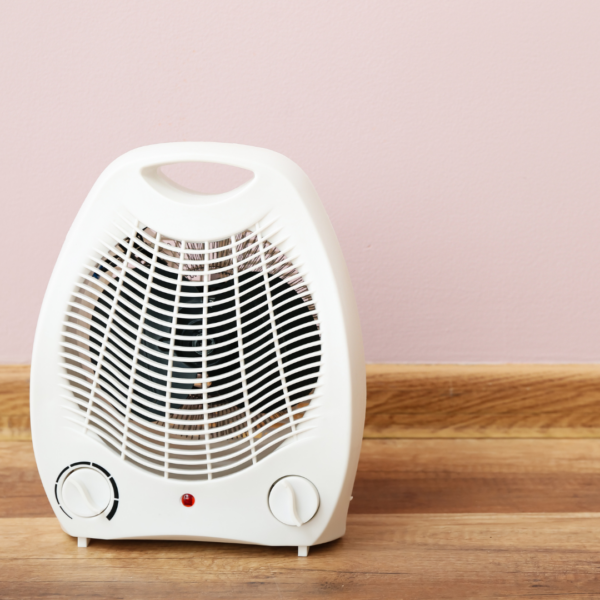
It depends on your local fire code, building policies, and insurance requirements. Some facilities restrict or prohibit space heaters entirely due to electrical load and fire risk. Always verify with your building management and fire protection provider before allowing them in the workplace.
Can space heaters overload office electrical systems?
Yes. Space heaters draw a significant amount of power and can easily overload older wiring or shared circuits—especially when used alongside computers, printers, and other high-demand equipment. This is one of the most common causes of electrical fires in office heaters.
How often should fire extinguishers be checked during heater season?
Fire extinguishers should be visually inspected monthly and professionally serviced at least once per year. During winter months—when ignition risks increase—extra vigilance is recommended to ensure fire extinguishers remain accessible and fully charged.
Do space heaters increase fire alarm false alarms?
Improperly placed heaters can trigger smoke or heat detectors, mainly when located too close to sensors or combustible materials. This not only disrupts operations but can also desensitize occupants to real emergencies, making proper placement critical.
Is it safer to use one large heater or multiple small heaters?
Neither option is automatically safe. Multiple small heaters can strain circuits, while a single oversized heater may overheat nearby materials. The safest option is using appropriately sized, certified heaters only when necessary—and only in buildings with fully inspected electrical and fire protection systems.
Final Thoughts: Stay Warm Without Compromising Safety
Space heaters can be used safely in offices—but only when the right equipment, placement, and fire protection systems are in place. Following core space heater safety tips helps reduce everyday risks, but true protection comes from a fully maintained fire safety infrastructure behind the scenes.
If you’re unsure whether your building’s fire alarms, fire sprinklers, or fire extinguishers are ready for heater season, a professional inspection from DynaFire can help ensure your warm workplace stays safe. Contact us to schedule yours today!