Learn how lightning damage affects fire alarm panels, the warning signs to watch for, and the surge protection strategies many commercial buildings overlook.
When people think about lightning damage, they usually picture downed power lines, damaged roofs, or widespread electrical outages. What many don’t realize is that a nearby lightning strike can severely damage a fire alarm system without ever striking the building directly.
In commercial facilities, a single surge event can disable critical life safety equipment, damage communication pathways, and leave portions of a building unprotected until repairs are completed. The result is often expensive troubleshooting, emergency service calls, compliance concerns, and unexpected downtime.
Understanding the risks of lightning damage to a fire alarm panel can help facility managers, property owners, and building engineers take preventive measures before storm season arrives.
How Lightning Damages Fire Alarm Panels
A direct lightning strike is not required to damage a fire alarm system. When lightning strikes nearby utility lines, communication infrastructure, or even the ground near a building, it can create a powerful electrical surge that travels through connected systems. These transient voltage spikes can enter through electrical service lines, telephone lines, network connections, monitoring circuits, or interconnected building systems.
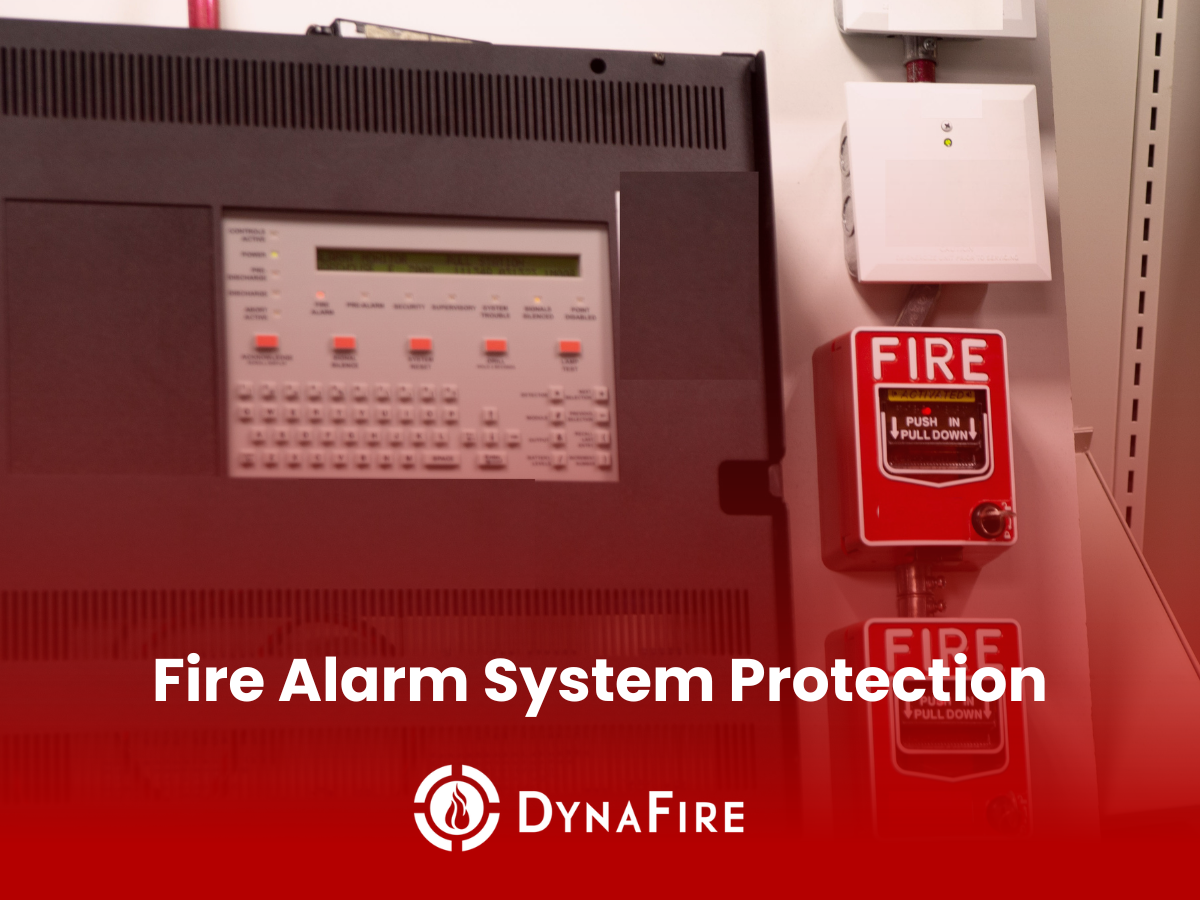
Modern fire alarm systems contain sensitive electronic components that are particularly vulnerable to these surges. Even a brief spike can damage circuitry within the fire alarm control panel, notification appliances, power supplies, or monitoring equipment.
In some cases, the damage is immediate and obvious. In others, components are weakened and fail weeks or months later.
Common Signs of Lightning Damage
After a severe storm, fire alarm systems should be evaluated for any unusual conditions.
Some of the most common warning signs include:
- Trouble signals or beeping on the fire alarm panel
- Communication failures with monitoring services
- Devices going offline unexpectedly
- Repeated ground fault conditions
- Loss of power to field devices
- Unexplained detector or notification appliance failures
- System resets that do not clear active troubles
Because lightning damage often affects multiple system components simultaneously, what appears to be a simple fault may actually indicate a larger electrical event.
Why Commercial Buildings Are Especially Vulnerable
Large commercial facilities often have extensive fire alarm infrastructure spread throughout the property. The more wiring, communication pathways, and interconnected systems involved, the greater the opportunity for surge energy to travel through the network.
This is particularly true for:
- Warehouses and distribution centers
- Manufacturing facilities
- Hospitals and healthcare campuses
- Data centers
- Educational facilities
- Hotels and hospitality properties
- Multi-building commercial campuses
- Mixed-use developments
Many facilities throughout the Southeast, including Florida and Georgia, experience frequent thunderstorms and lightning activity throughout much of the year, increasing the importance of proper surge protection planning.
Fun fact: Florida was just dethroned as the lightning capital of the U.S. in 2026 by Oklahoma!
The Surge Protection Most Buildings Skip
Many building owners assume that surge protection installed at the main electrical panel protects every system in the building. Unfortunately, that is rarely enough.
Fire alarm systems often require layered protection at multiple points throughout the system. While whole-building surge protection is important, sensitive life-safety equipment often benefits from additional protection installed closer to the fire alarm equipment.
Commonly overlooked protection measures include:
Fire Alarm Panel Surge Protection
Dedicated surge protective devices can be installed specifically for fire alarm control panels and associated power supplies. These devices help absorb voltage spikes before they reach sensitive electronics.
Communication Line Protection
Monitoring circuits, phone lines, internet connections, and network pathways can help identify potential entry points for lightning-induced surges. Protecting only the electrical service leaves these pathways exposed.
Remote Device Protection
Buildings with multiple panels, remote annunciators, or separate structures often require protection at each location to reduce the risk of damage traveling between systems.
Proper Grounding and Bonding
NFPA standards consistently emphasize the importance of proper grounding and bonding practices. Even the best surge protection devices become less effective when grounding systems are inadequate.
What NFPA Standards Say About Lightning Protection
Several NFPA standards play a role in protecting fire alarm systems from lightning-related damage and electrical surges.
For example:
- NFPA 72 (National Fire Alarm and Signaling Code) establishes requirements for fire alarm system reliability, power supplies, circuit integrity, and system performance. Proper installation and maintenance practices help reduce vulnerabilities that can arise during electrical disturbances.
- NFPA 70 (National Electrical Code) includes requirements for grounding, bonding, and surge protective devices that help safeguard electrical and life safety systems from transient voltage events.
- NFPA 780 (Standard for the Installation of Lightning Protection Systems) provides guidance for protecting buildings and structures from direct lightning strikes. A properly designed lightning protection system can help reduce the risk of lightning energy entering building systems and damaging critical equipment.
Together, these standards support a layered approach to protection, helping commercial buildings reduce the risk of lightning-related damage to fire alarm panels, monitoring equipment, and other life safety components.
What to Do After a Severe Storm
Even if a fire alarm system appears operational after a major storm, it may be worth scheduling a professional inspection if lightning activity occurred nearby.
A post-storm assessment can help identify:
- Hidden component damage
- Communication failures
- Ground faults
- Compromised batteries or power supplies
- Damaged field devices
- Monitoring connection issues
Catching these problems early is often far less expensive than discovering them during an emergency or a failed inspection.
Building a More Resilient Fire Alarm System
Protecting a fire alarm system from lightning is not about eliminating every possible risk. It is about reducing vulnerabilities and improving system resilience.
A comprehensive strategy often includes:
- Proper grounding and bonding
- Layered surge protection
- Routine inspections and testing
- Monitoring system health after severe weather events
- Prompt investigation of trouble conditions
These measures help protect not only the fire alarm panel itself but also the broader life safety infrastructure that occupants depend on every day.
Protect Your Fire Alarm System Before the Next Storm
A single surge event can result in significant repair costs, system downtime, and compliance issues. Taking proactive steps now can help prevent major disruptions later.
If you are concerned about lightning damage to a fire alarm panel or want to evaluate the surge protection measures currently in place at your facility, contact DynaFire. Our team can assess your system, identify potential vulnerabilities, and help ensure your fire alarm system remains reliable when severe weather strikes.