Fire sprinkler maintenance helps manufacturers prevent equipment damage, production delays, and costly shutdowns. Learn expert fire sprinkler maintenance tips to keep your facility running safely.
Picture this: It’s 2 AM on a Tuesday, and your manufacturing facility’s fire sprinkler system activates unexpectedly, flooding your production floor with thousands of gallons of water. Equipment worth hundreds of thousands of dollars sits submerged, your assembly line grinds to a halt, and you’re looking at weeks of downtime while everything dries out and gets replaced.
The culprit? A corroded sprinkler head that should have been caught during routine maintenance months ago.
We see this scenario far too often in our work with manufacturers—and the good news is that it’s completely preventable. With the right fire sprinkler maintenance tips and a proactive plan, you can protect your facility from fire damage and avoid costly, unplanned shutdowns.
Why Manufacturing Facilities Face Unique Fire Protection Challenges
Manufacturing environments put exceptional stress on fire sprinkler systems. High heat, airborne dust, chemical vapors, and vibration from heavy equipment can all shorten the lifespan of your system’s components.
In humid or poorly ventilated facilities, corrosion accelerates even faster, especially when chemicals or condensation interact with metal piping. Over time, these conditions can lead to leaks, false activations, or total system failure.
When inspecting fire sprinkler systems in manufacturing plants, we look for early warning signs that could lead to downtime if left unaddressed. Recognizing these issues early can mean the difference between a planned service window and an expensive emergency shutdown.
Essential Fire Sprinkler Maintenance Tips for Manufacturing Facilities
Consistent maintenance doesn’t have to disrupt production. With a structured plan, your facility can stay compliant, safe, and operational year-round.
- Monitor Your System Components Weekly
The most efficient manufacturing teams we work with perform quick weekly inspections. These take minutes but prevent major problems.
Have your maintenance staff:
- Visually inspect sprinkler heads for corrosion, paint buildup, or physical damage.
- Check water pressure gauges at the riser—unexplained drops can signal hidden leaks.
- Ensure no items are hanging from or obstructing fire sprinkler piping.
We often see forklift contact or storage interference as a root cause of accidental discharges or inoperative sprinkler heads—simple vigilance can prevent both.
- Keep Detailed Maintenance Records
Successful manufacturers document every inspection, test, and repair. This creates a historical log that helps predict future maintenance needs and supports insurance compliance.
Comprehensive records are invaluable during fire protection system inspections or insurance reviews. They show due diligence and can influence claim outcomes after an incident.
- Address Environmental Factors Proactively
Environmental conditions directly affect system performance. High humidity accelerates corrosion, while temperature swings cause expansion and contraction that stresses joints and fittings.
For Florida manufacturers, we recommend conducting more frequent inspections during hurricane season. Extreme weather events can lead to power fluctuations, flooding, or corrosion that compromise system reliability long after the storm has passed.
What to Watch For: Critical Warning Signs
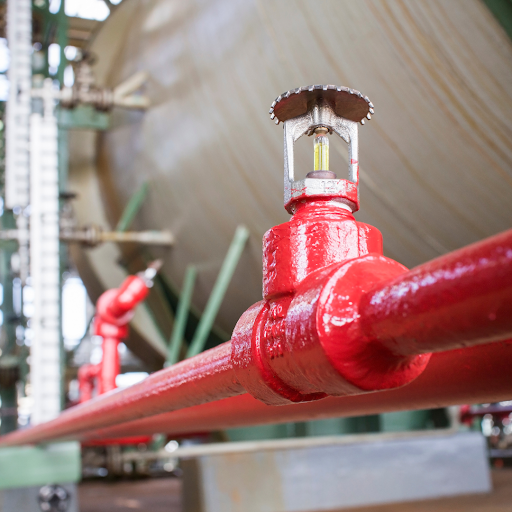
Your system often provides early indicators of internal problems. Watch for these red flags during maintenance:
- Discolored water during testing may be a sign of corrosion within the pipes.
- Unusual sounds, such as water hammer or grinding, may indicate pump or valve issues.
- Visible corrosion on sprinkler heads can cause false activations or system failure.
- Pressure fluctuations without a clear cause may point to leaks or pump problems.
If you notice any of these signs, contact a certified fire protection professional (like DynaFire) immediately.
The True Cost of Reactive Maintenance
When manufacturers call us for emergency service, the fire sprinkler malfunction is usually just the start of their problems. Production stops, workers are idle, and delivery schedules spiral.
One incident can cost hundreds of thousands in lost production—before even accounting for cleanup, parts replacement, or damaged equipment.
That’s why we encourage proactive upgrades and retrofitting fire protection systems during scheduled downtime. Planned improvements cost far less than unplanned outages during active production.
Additionally, insurance companies increasingly review maintenance records during claims. Poor documentation or missed inspections can result in reduced payouts—or total denial.
Creating a Maintenance Schedule That Works
The most successful manufacturers treat fire protection like any other core system. They maintain spare parts, train employees, and schedule maintenance alongside production cycles.
Here’s a simple structure to follow:
- Monthly: Visual inspections by in-house maintenance staff.
- Quarterly: Professional inspection by certified technicians.
- Annually: Full system testing, including flow and pump performance tests to ensure NFPA compliance.
For specialized facilities, consider creating customized maintenance schedules that take into account temperature, humidity, and chemical exposure.
Protecting Your Investment and Your People
Fire sprinkler maintenance isn’t just about avoiding downtime—it’s about protecting the people who power your operation and the equipment that keeps it running.
A well-maintained system provides peace of mind during OSHA inspections, insurance audits, and visits from local fire authorities. It also reinforces your company’s commitment to safety and operational excellence.
Take Action Before Problems Strike
Don’t wait until a sprinkler failure halts your production line. Manufacturers that remain operational year-round typically invest in preventive maintenance and partner with trusted fire protection professionals.
Schedule your fire sprinkler inspection with DynaFire today to identify potential issues before they become costly disruptions. Our team understands the unique challenges that manufacturing facilities face and can design a maintenance plan tailored to your operations, minimizing downtime.
Ready to protect your people, equipment, and production schedule? Contact us today to schedule your next inspection or maintenance service.