Prepare for Fire Prevention Week 2026 with a commercial building checklist covering fire alarms, sprinklers, monitoring, inspections, and emergency planning.
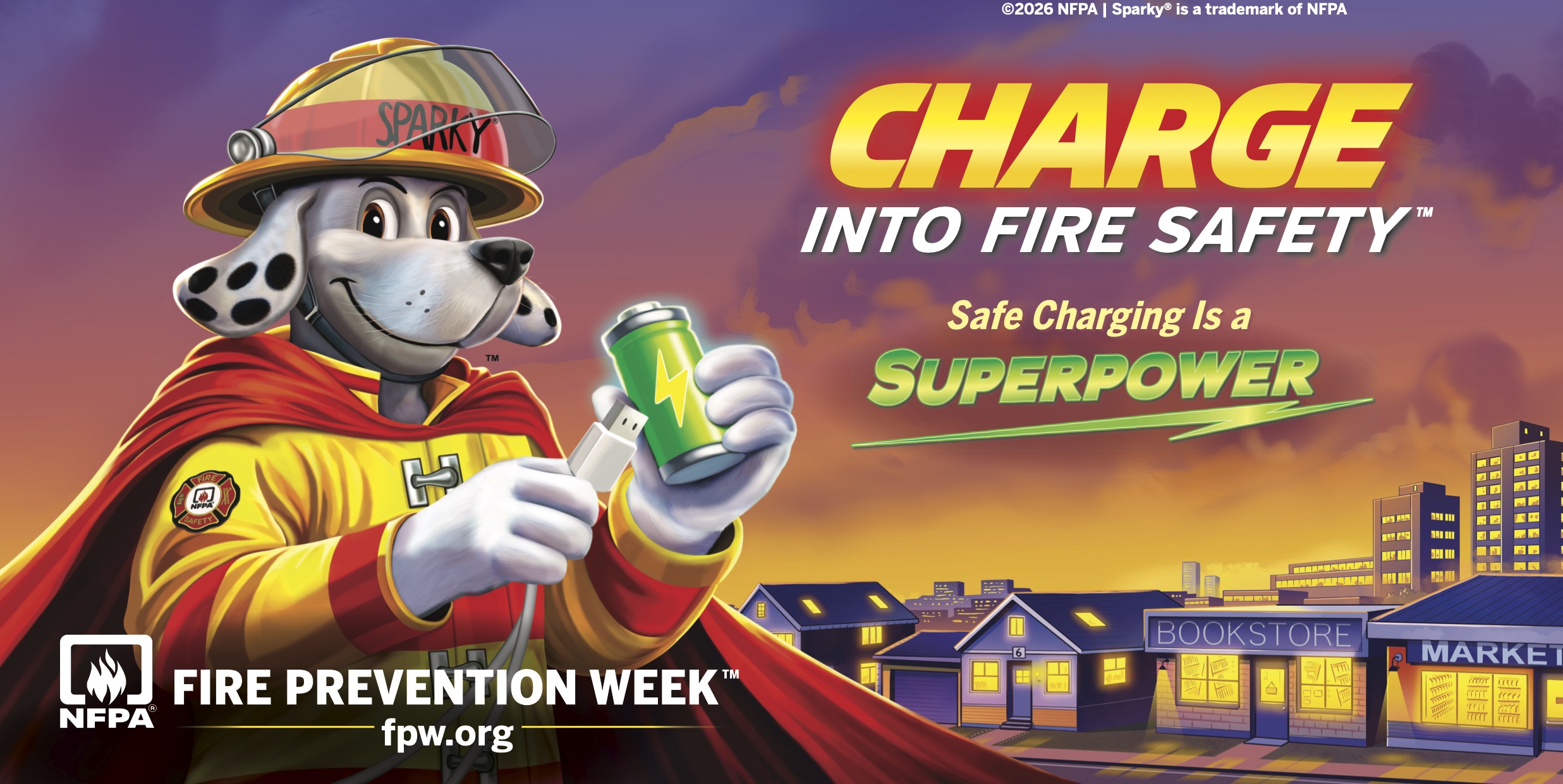
Fire Prevention Week 2026 takes place October 4–10 with the theme “Charge into Fire Safety: Lithium-Ion Batteries in Your Home.” While the National Fire Protection Association’s campaign focuses primarily on lithium-ion battery safety at home, the observance also reminds businesses to evaluate fire risks and preparedness throughout their commercial properties.
Rechargeable batteries are now common in workplaces, from laptops and phones to power tools, mobility devices, and other equipment. But battery hazards are only one piece of commercial fire safety.
Fire Prevention Week is a good opportunity for property owners and facility managers to take a broader look at their fire protection program. Are required inspections and testing current? Are fire alarm signals being reliably monitored? Have outstanding deficiencies been corrected? Do employees know what to do if an alarm activates?
Use the following commercial building compliance checklist to identify areas that may need attention before they become bigger fire safety or compliance concerns.
1. Review Your Fire Alarm System
Your fire alarm system is one of the first lines of defense in a fire. NFPA 72 sets requirements for inspecting, testing, and maintaining fire alarm and signaling systems. However, specific requirements for your property will also depend on locally adopted codes and your Authority Having Jurisdiction (AHJ).
As part of your Fire Prevention Week review, check that:
- Required fire alarm inspections and testing are current
- The fire alarm control panel is free of unresolved trouble or supervisory signals
- Initiating and notification devices are accessible and unobstructed
- System documentation and service records are up to date
- Known deficiencies have been corrected
Recurring faults, obsolete equipment, or difficulty sourcing replacement components may also be signs that it is time to discuss an upgrade rather than continuing to repair an aging system.
2. Confirm Your Fire Alarm Monitoring Is Reliable
A functioning fire alarm system also needs a reliable way to communicate alarm signals when monitoring is required.
Traditional copper phone lines are being phased out, making Fire Prevention Week 2026 a good time to review how your fire alarm communicates with its monitoring provider. If your building still depends on aging POTS infrastructure, consider whether a modern communication method can provide more reliable connectivity.
DynaFire’s DynaNet wireless mesh network provides a dedicated communication solution for fire alarm monitoring without relying on traditional copper phone lines.
3. Check Fire Sprinkler Inspection And Testing Records
Fire sprinkler systems require ongoing inspection, testing, and maintenance to remain ready to operate. NFPA 25 establishes requirements for water-based fire protection systems, including sprinkler systems, standpipes, fire pumps, and associated components.
Review your records and confirm that required services have been completed on schedule. Also ensure any deficiencies identified during previous inspections have been addressed, not just documented and forgotten.
Changes to a building can also affect sprinkler protection. Renovations, new walls, altered storage arrangements, and changes in occupancy or use may warrant evaluating the existing system.
4. Review Fire Pump And Water Supply Readiness
If your building relies on a fire pump, it needs its own inspection, testing, and maintenance program.
Review recent fire pump testing results and any outstanding maintenance recommendations. Facility personnel should also monitor pump room conditions, including accessibility, temperature, leaks, valve positions, and visible equipment problems.
A fire pump that has not been properly maintained may not deliver the required water pressure and flow when the sprinkler or standpipe system needs it.
5. Inspect Specialized Fire Suppression Systems
Some commercial properties have hazards that require protection beyond a standard sprinkler system. Commercial kitchens, data centers, manufacturing operations with specialized fire hazards, and areas containing sensitive equipment may use specialized fire suppression systems.
Make sure required inspections and service are up to date for any suppression systems protecting your facility. Equipment changes can also affect whether an existing system still provides appropriate coverage, so a qualified fire protection professional should review significant changes to a protected area.
6. Check Portable Fire Extinguishers
Fire extinguishers are easy to overlook until someone needs one. Include them in your commercial fire safety checklist.
Look for extinguishers that are:
- In their designated locations
- Clearly visible and accessible
- Free from obvious damage
- Appropriate for the hazards in the area
- Current on required inspection and maintenance
Employees should also know where extinguishers are located and understand your company’s procedures for using them during an emergency.
7. Review Your Emergency Response Plan
Fire protection equipment is only one part of preparedness. Your employees need to know how to respond when an alarm activates.
Review evacuation routes, assembly locations, employee responsibilities, and procedures for accounting for personnel after an evacuation. Make sure exits and evacuation routes remain accessible, and that changes to staffing, building layouts, or operations are incorporated into the plan.
Ready.gov recommends developing emergency response procedures before an incident occurs because actions taken during the first minutes of an emergency can be critical.
Fire drills and employee training can also reveal problems that may not be obvious when reviewing a written plan.
8. Make Sure Inspection And Service Records Are Organized
Do not wait until an inspector asks for documentation to figure out where your records are.
Keep inspection, testing, maintenance, and repair documentation organized and accessible. Records can help demonstrate that required services have been completed and make it easier to track recurring deficiencies or equipment that may need additional attention.
If multiple vendors service different fire protection systems, confirm that you have current documentation from each provider.
9. Address Outstanding Fire Protection Deficiencies
An inspection report is only useful if you correct the identified problems.
Review previous fire alarm, sprinkler, suppression, fire pump, and other fire protection reports for unresolved deficiencies. If repairs were completed, make sure the documentation reflects that work.
Repeatedly postponing repairs can leave critical equipment unreliable and create additional problems during future inspections.
Make Fire Prevention Week 2026 A Starting Point
Fire Prevention Week 2026 gives commercial property owners and facility managers a natural opportunity to review the systems, records, and procedures that support fire safety year-round.
The goal is not simply to check items off a list for one week in October. Regular inspection, testing, maintenance, monitoring, and employee preparedness help keep your building ready every day.
DynaFire provides comprehensive commercial fire protection services, including fire alarms, sprinklers, suppression systems, fire pumps, inspections, testing, maintenance, and fire alarm monitoring.
Use Fire Prevention Week to find the gaps before an inspection or emergency does. Contact us today to schedule service or review your commercial fire protection needs.