After a fire suppression system discharge, proper response is critical. Learn what to do next, from evacuation and cleanup to inspection and system recharge.
A fire suppression system discharge can stop a dangerous situation from escalating, but it also creates an immediate question for building owners and facility managers: What happens next?
Whether the system activated because of a fire or discharged accidentally, the protected area may need to remain out of service until it is safe to re-enter and the suppression system has been inspected and restored.
The exact response depends on the system type and extinguishing agent, but a few key steps apply after most fire suppression system discharges.
1. Follow Emergency Procedures And Keep The Area Clear
Life safety comes first. If a suppression system activates during a suspected or confirmed fire, follow your facility’s emergency evacuation procedures and evacuate as required.
Do not assume an area is safe to enter just because the fire appears extinguished. Some suppression agents can create unsafe conditions for occupants during or immediately after discharge. OSHA requires safeguards to prevent entry into discharge areas where the atmosphere remains hazardous.
Wait for clearance from emergency responders or other appropriate personnel before allowing occupants back into the affected area.
2. Determine Why The System Discharged
Once the immediate emergency is addressed, determine the cause of the activation.
A system may discharge because of:
- An actual fire
- Manual activation
- Detection system activation
- Equipment malfunction
- Accidental damage or activation
- Problems with system components
Avoid simply resetting the system without investigating what happened. Understanding the cause helps determine what repairs, testing, or other corrective work may be necessary before the system returns to service.
If a fire occurred, the fire department, fire marshal, insurance provider, or other parties may also need to complete their own investigation before anyone disturbs the equipment or the protected area.
3. Follow the Proper Procedures for Your Suppression System
Cleanup, re-entry, and restoration procedures depend on the fire suppression system and extinguishing agent involved. Commercial kitchens commonly use wet chemical systems, while clean-agent systems may protect data centers and other areas containing sensitive electronics. Other facilities may use dry chemical, carbon dioxide, foam, or specialized systems.
For example, commercial kitchen wet chemical systems are designed to suppress flames and help prevent re-flash on hot cooking surfaces. In contrast, gaseous systems can involve additional considerations for employee exposure and atmospheric safety.
Follow the manufacturer’s guidance and recommendations from qualified fire protection professionals when determining the appropriate cleanup, re-entry, and restoration procedures for your system.
4. Have The System Professionally Inspected
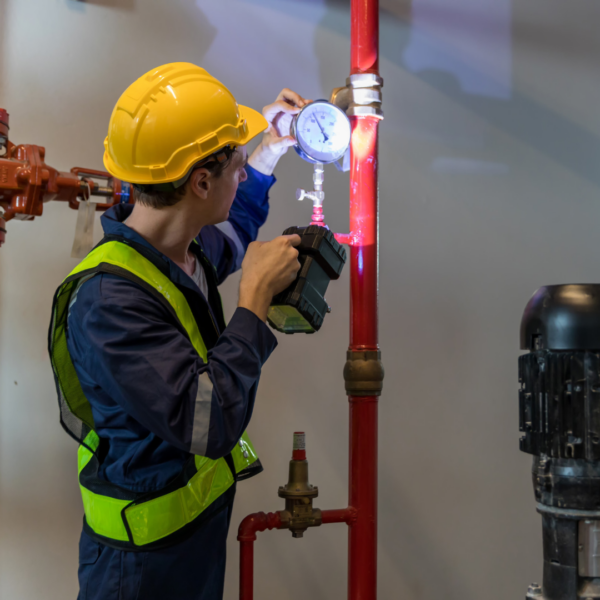
A qualified fire protection professional should evaluate the system and determine what it needs to return to operating condition. A thorough fire protection system inspection can identify damaged components, deficiencies, and other issues that must be addressed before the system returns to service.
Depending on the system and what caused the discharge, service may include:
- Inspecting cylinders, tanks, piping, and nozzles
- Checking detection and activation components
- Replacing discharged agent
- Recharging or replacing containers
- Replacing activated components
- Correcting damage or system deficiencies
- Resetting associated alarms and controls
- Completing required testing
The technician can also determine whether the fire, discharge, cleanup, or another event damaged components that need repair or replacement.
5. Treat The System As Impaired Until It Is Restored
After a fire suppression system discharge, the protected area may no longer have its normal level of fire protection.
OSHA requires employers to notify employees and take necessary temporary precautions when a fixed extinguishing system becomes inoperable until the system is restored to operating condition.
Appropriate impairment procedures depend on the facility, system, applicable codes, and the requirements of the Authority Having Jurisdiction (AHJ). In some situations, operations in the affected area may need to remain suspended until protection is restored.
The important point is not to treat a discharged system as operational simply because the immediate emergency is over.
6. Complete Cleanup Before Resuming Normal Operations
Cleanup requirements depend on the agent and what occurred during the incident.
For example, a kitchen suppression discharge can leave extinguishing agent on appliances and surrounding surfaces. A fire itself may also leave smoke, soot, water, grease, or damaged materials that require additional cleanup.
Other suppression agents have different cleanup, ventilation, and re-entry requirements. Follow manufacturer guidance and recommendations from qualified professionals for the specific system installed in your facility.
If food, sensitive electronics, specialized equipment, or hazardous materials were exposed, you may also need additional procedures.
7. Document The Incident And Completed Service
Keep records of what happened and the work performed afterward. Documentation may include the cause of the discharge, equipment inspected, agent replaced, repairs completed, testing results, and the date the system was returned to service. Maintaining accurate records can support facility management, insurance needs, and future commercial fire system inspections.
If the discharge was accidental, documenting the cause can also help prevent it from happening again.
Get Your Fire Suppression System Back In Service
A fire suppression system discharge does not end when the agent stops flowing. You still need to evaluate, service, and properly restore the system before you can rely on it for the next emergency.
DynaFire provides commercial fire suppression inspection, testing, maintenance, repair, and recharge services for a range of fire protection applications.
If your fire suppression system has discharged, contact us today to have us evaluate the system and restore it to service as quickly and safely as possible.